Blog

Local SEO Success: Proven Techniques to Attract More Local Customers.

Introduction

In today’s digital age, visibility is key to the success of any business. With an increasing number of consumers turning to online search engines to find local products and services, mastering Local SEO (Search Engine Optimization) has become more important than ever. This comprehensive guide will walk you through everything you need to know to dominate local search results, attract more customers, and grow your business.

Table of Contents

  1. Understanding Local SEO
  2. Importance of Local SEO
  3. Google My Business: Your Starting Point
  4. On-Page SEO for Local Businesses
  5. Building Citations and NAP Consistency
  6. Local Link Building Strategies
  7. Online Reviews and Reputation Management
  8. Local SEO for Mobile Users
  9. Utilizing Social Media for Local SEO
  10. Tracking and Measuring Local SEO Success
  11. Common Mistakes in Local SEO and How to Avoid Them
  12. Future Trends in Local SEO

1. Understanding Local SEO

Local SEO focuses on optimizing a website to be found in local search results. These searches often include queries with specific geographic locations or phrases like “near me.” The primary goal is to ensure your business appears in local search results, attracting nearby customers.

Key Components of Local SEO:

  • Localized Content
  • Google My Business (GMB) Profile
  • Online Directories and Citations
  • Localized Keywords
  • Customer Reviews
  • Local Backlinks

2. Importance of Local SEO

Local SEO is crucial for small and medium-sized businesses that rely on local customers. Here are some compelling reasons why investing in local SEO is vital:

  • Increased Visibility: A strong local SEO strategy ensures your business appears at the top of local search results, making it easier for potential customers to find you.
  • Targeted Traffic: By optimizing for local searches, you attract highly targeted traffic, meaning these visitors are more likely to convert into customers.
  • Trust and Credibility: Appearing in local searches builds trust and credibility among local consumers, who tend to prefer businesses that are visible and well-reviewed.
  • Competitive Advantage: Effective local SEO can give you an edge over competitors who are not as well-optimized for local searches.

3. Google My Business: Your Starting Point

Google My Business (GMB) is a free tool that allows businesses to manage their online presence across Google, including Search and Maps. An optimized GMB profile is essential for local SEO success.

Steps to Optimize Your GMB Profile:

  1. Claim and Verify Your Business: Ensure you claim and verify your business on GMB.
  2. Complete Your Profile: Provide accurate and detailed information, including business name, address, phone number (NAP), website, business hours, and categories.
  3. Add High-Quality Photos: Upload professional photos of your business, products, and services to attract more customers.
  4. Encourage Reviews: Ask satisfied customers to leave positive reviews and respond to all reviews promptly.
  5. Post Regular Updates: Use GMB posts to share news, events, promotions, and updates about your business.

4. On-Page SEO for Local Businesses

On-page SEO involves optimizing individual web pages to rank higher and earn more relevant traffic in search engines. For local businesses, this includes several key elements:

Optimizing Key Elements:

  • Title Tags and Meta Descriptions: Include localized keywords and ensure they are compelling to encourage clicks.
  • Header Tags (H1, H2, H3): Use header tags to structure your content and include localized keywords where appropriate.
  • NAP Information: Ensure your business name, address, and phone number are consistent across your website and match your GMB listing.
  • Localized Content: Create content that is relevant to your local audience. This could include blog posts about local events, news, and community activities.
  • Schema Markup: Implement local business schema markup to help search engines understand your business information better.

5. Building Citations and NAP Consistency

Citations are mentions of your business’s name, address, and phone number on other websites, typically online directories. Consistent and accurate citations across the web help improve local search rankings.

Building Citations:

  • Submit to Local Directories: List your business in reputable local and industry-specific directories.
  • Ensure NAP Consistency: Make sure your NAP information is consistent across all citations, including your website, GMB, and social media profiles.
  • Use Data Aggregators: Submit your business information to data aggregators like Acxiom, Infogroup, Neustar Localeze, and Factual, which distribute your information to various directories.

6. Local Link Building Strategies

Links from other websites to your own (backlinks) are crucial for SEO. For local SEO, focus on obtaining links from local sources.

Effective Local Link Building Tactics:

  • Partner with Local Organizations: Collaborate with local businesses, chambers of commerce, and community organizations to earn backlinks.
  • Sponsor Local Events: Get involved in local events and charities, which often include backlinks on their websites for sponsors.
  • Guest Blogging: Write guest posts for local blogs and publications, including a link back to your website.
  • Local News and PR: Create newsworthy content and press releases to attract coverage from local media outlets.

7. Online Reviews and Reputation Management

Online reviews play a significant role in local SEO. Positive reviews not only build trust with potential customers but also influence your rankings in local search results.

Managing Your Online Reputation:

  • Encourage Positive Reviews: Ask happy customers to leave reviews on Google, Yelp, and other review platforms.
  • Respond to Reviews: Respond to all reviews, both positive and negative, in a timely and professional manner.
  • Monitor Your Reputation: Use tools like Google Alerts, Mention, and ReviewTrackers to monitor what people are saying about your business online.
  • Address Negative Feedback: Handle negative reviews with care, addressing the issues raised and showing a willingness to resolve them.

8. Local SEO for Mobile Users

With a significant number of local searches conducted on mobile devices, optimizing for mobile is crucial for local SEO success.

Mobile Optimization Tips:

  • Responsive Design: Ensure your website is mobile-friendly and provides a seamless experience across all devices.
  • Click-to-Call Buttons: Make it easy for mobile users to contact you with click-to-call buttons on your website.
  • Fast Loading Speeds: Optimize your website to load quickly on mobile devices, as slow load times can deter potential customers.
  • Local Content: Provide content that caters to mobile users, such as local guides, maps, and easy-to-read articles.

9. Utilizing Social Media for Local SEO

Social media can significantly impact your local SEO efforts by driving traffic, building brand awareness, and fostering community engagement.

Social Media Strategies for Local SEO:

  • Engage with Your Community: Use social media platforms to engage with your local community by sharing relevant content, participating in local conversations, and supporting local causes.
  • Share User-Generated Content: Encourage customers to share their experiences with your business on social media and repost their content.
  • Promote Local Events: Use social media to promote your participation in local events and activities.
  • Optimize Your Profiles: Ensure your social media profiles are fully optimized with accurate NAP information and relevant keywords.

10. Tracking and Measuring Local SEO Success

To understand the effectiveness of your local SEO efforts, it’s essential to track and measure key performance indicators (KPIs).

Important Local SEO KPIs:

  • Google My Business Insights: Monitor metrics like views, searches, and actions taken on your GMB profile.
  • Website Traffic: Use tools like Google Analytics to track traffic to your website, focusing on organic search traffic and local landing pages.
  • Keyword Rankings: Track your rankings for local keywords using tools like SEMrush, Moz, and Ahrefs.
  • Conversion Rates: Measure the conversion rates of local leads, such as form submissions, phone calls, and online bookings.
  • Online Reviews: Keep track of the number and sentiment of reviews on platforms like Google, Yelp, and Facebook.

11. Common Mistakes in Local SEO and How to Avoid Them

Even with the best intentions, businesses can make mistakes that hinder their local SEO efforts. Here are some common pitfalls and how to avoid them:

  • Inconsistent NAP Information: Ensure your business’s name, address, and phone number are consistent across all online platforms.
  • Ignoring Google My Business: Regularly update and optimize your GMB profile to ensure accurate and up-to-date information.
  • Neglecting Reviews: Actively encourage and manage online reviews, responding to both positive and negative feedback.
  • Poor Mobile Optimization: Ensure your website is mobile-friendly and provides a good user experience on all devices.
  • Lack of Localized Content: Create content that is relevant and valuable to your local audience.

12. Future Trends in Local SEO

The world of SEO is constantly evolving, and staying ahead of the trends can give you a competitive edge.

Emerging Trends in Local SEO:

  • Voice Search Optimization: With the rise of voice assistants like Siri, Alexa, and Google Assistant, optimizing for voice search is becoming increasingly important.
  • Artificial Intelligence and Machine Learning: AI and machine learning are playing a bigger role in search algorithms, influencing how local search results are determined.
  • Increased Personalization: Search engines are getting better at delivering personalized results based on user behavior and preferences.
  • Visual Search: As visual search technology advances, optimizing images and videos for local search will become more critical.
  • Hyperlocal Marketing: Targeting customers at a more granular level, such as specific neighborhoods or even individual streets, is gaining traction.

Conclusion

Winning at local SEO requires a strategic and comprehensive approach. By understanding the fundamentals, optimizing your Google My Business profile, focusing on on-page SEO, building citations, obtaining local backlinks, managing online reviews, and staying ahead of emerging trends, you can dominate local search results and attract more customers to your business.

Investing in local SEO is not just about improving your online visibility; it’s about building a strong connection with your local community and establishing your business as a trusted and reliable choice for local consumers. Start implementing these strategies today, and watch your local search rankings soar.


By following the strategies outlined in this guide, you’ll be well on your way to mastering local SEO and driving more targeted traffic to your business. Remember, local SEO is an ongoing process, and staying updated with the latest trends and best practices is essential for long-term success.

The Ultimate Guide to Video Marketing Best Practices.

Introduction

In today’s digital age, video marketing has become an essential tool for businesses to engage their audience, drive traffic, and boost conversions. With the rise of platforms like YouTube, Instagram, and TikTok, video content is more accessible and impactful than ever. Whether you’re a seasoned marketer or just starting, understanding the best practices for video marketing can significantly enhance your strategy and results.

1. Define Your Goals

Before you start creating videos, it’s crucial to define your goals. What do you want to achieve with your video marketing? Common goals include:

  • Increasing brand awareness
  • Driving traffic to your website
  • Generating leads
  • Boosting sales
  • Engaging your audience

Having clear goals will guide your content creation and help you measure success.

2. Know Your Audience

Understanding your target audience is key to creating relevant and engaging videos. Research their preferences, pain points, and interests. Tailor your content to address their needs and provide value. Use analytics tools to gain insights into your audience’s behavior and preferences.

3. Create High-Quality Content

Quality matters in video marketing. Ensure your videos are well-produced, visually appealing, and free of technical issues. Here are some tips for creating high-quality content:

  • Invest in Good Equipment: Use a decent camera and microphone to ensure clear visuals and audio.
  • Lighting: Proper lighting can make a huge difference in video quality. Natural light is great, but consider investing in lighting equipment for better results.
  • Editing: Use video editing software to polish your videos. Add transitions, captions, and graphics to enhance the viewing experience.

4. Keep It Short and Engaging

Attention spans are short, so keep your videos concise and to the point. Aim for a length of 1-3 minutes for most videos. Start with a strong hook to grab viewers’ attention in the first few seconds. Use storytelling techniques to keep them engaged throughout.

5. Optimize for SEO

SEO is not just for blog posts; it’s crucial for video marketing too. Here are some SEO best practices for video content:

  • Title: Use a clear and compelling title with relevant keywords.
  • Description: Write a detailed description with keywords and a call-to-action (CTA). Include a link to your website or landing page.
  • Tags: Use relevant tags to help your video appear in search results.
  • Thumbnail: Create an eye-catching thumbnail to increase click-through rates.

6. Promote Your Videos

Creating great videos is just the first step. Promoting them is equally important. Share your videos across various platforms to reach a wider audience:

  • Social Media: Post your videos on platforms like Facebook, Instagram, LinkedIn, and Twitter.
  • Email Marketing: Include videos in your email campaigns to increase engagement.
  • Collaborations: Partner with influencers or other brands to expand your reach.
  • Embed on Website: Embed videos on your website or blog to enhance your content and improve SEO.

7. Engage with Your Audience

Engagement is crucial for building a loyal audience. Respond to comments, ask for feedback, and encourage viewers to share your videos. Use interactive elements like polls, Q&A sessions, and live streams to foster a sense of community.

8. Analyze and Adjust

Regularly analyze the performance of your videos using analytics tools. Look at metrics like views, watch time, engagement, and conversions. Identify what’s working and what’s not, and adjust your strategy accordingly.

Conclusion

Video marketing is a powerful tool for businesses to connect with their audience and achieve their goals. By following these best practices, you can create high-quality, engaging videos that drive results. Remember to stay updated with the latest trends and continuously refine your strategy to stay ahead of the competition.

Start implementing these best practices today and watch your video marketing efforts soar!

Proven Methods to Monetize Your Blog in 2024.

Starting a blog is a fantastic way to share your passions, knowledge, and expertise with the world. However, many bloggers struggle with the next step: monetizing their blog effectively. Whether you’re new to blogging or have been at it for a while, this guide will help you understand the best strategies to turn your blog into a profitable venture.

Q1: Why Should I Monetize My Blog?

Answer: Monetizing your blog allows you to earn money for your hard work and creativity. It can provide a steady income stream, enable you to quit your 9-5 job, and give you the freedom to focus on your passions. Additionally, it can help you invest back into your blog, improving its quality and reach.

Q2: What Are the Most Common Ways to Monetize a Blog?

Answer: There are several popular methods to monetize a blog:

  1. Advertising: Placing ads on your blog through networks like Google AdSense.
  2. Affiliate Marketing: Promoting products and earning a commission for sales made through your referral links.
  3. Sponsored Posts: Writing posts paid for by companies looking to reach your audience.
  4. Selling Products or Services: Offering your own products or services directly to your readers.
  5. Membership or Subscription Models: Charging for premium content or a community membership.

Q3: How Do I Start with Affiliate Marketing?

Answer: Here’s a step-by-step guide to get you started with affiliate marketing:

  1. Choose the Right Affiliate Programs: Select programs that align with your blog’s niche and audience.
  2. Integrate Affiliate Links: Naturally incorporate affiliate links into your content without overloading your posts.
  3. Create High-Quality Content: Write genuine reviews and recommendations that provide value to your readers.
  4. Promote Your Content: Use social media, email marketing, and SEO to drive traffic to your affiliate content.

Q4: How Can I Attract Advertisers to My Blog?

Answer: To attract advertisers:

  1. Build a Strong Audience: Focus on growing a loyal and engaged readership.
  2. Showcase Your Stats: Use media kits to present your blog’s traffic, demographics, and engagement metrics.
  3. Reach Out to Brands: Contact brands directly and pitch collaboration ideas.
  4. Join Ad Networks: Sign up for ad networks like Google AdSense or Mediavine to connect with advertisers.

Q5: What Should I Consider When Selling Products or Services?

Answer: Here are key considerations:

  1. Know Your Audience: Understand what products or services your readers need.
  2. Quality and Value: Ensure your offerings are high-quality and provide real value.
  3. Marketing: Use effective marketing strategies to promote your products or services.
  4. Customer Service: Provide excellent customer service to build trust and repeat business.

Q6: How Can I Use Sponsored Posts Effectively?

Answer: Sponsored posts can be highly lucrative, but it’s important to:

  1. Maintain Authenticity: Only promote products you believe in and that fit with your blog’s theme.
  2. Disclose Sponsorships: Be transparent with your readers about sponsored content.
  3. Provide Value: Ensure the sponsored post offers useful information or insights to your audience.

Q7: What Are the Benefits of a Membership or Subscription Model?

Answer: A membership or subscription model can provide:

  1. Recurring Revenue: Steady, predictable income from your most loyal readers.
  2. Exclusive Content: A platform to offer premium content or services.
  3. Community Building: A way to create a dedicated community around your blog.

Final Tips for Monetizing Your Blog

  1. Consistency is Key: Regularly update your blog with fresh, high-quality content.
  2. Engage with Your Audience: Respond to comments, emails, and social media messages to build a loyal readership.
  3. Optimize for SEO: Use SEO best practices to increase your blog’s visibility and attract more traffic.
  4. Diversify Income Streams: Don’t rely on just one monetization method. Explore multiple avenues to maximize your earnings.

Conclusion

Monetizing your blog effectively requires a blend of strategy, consistency, and audience understanding. By leveraging different monetization methods and staying true to your blog’s mission and audience, you can turn your passion project into a profitable business. Happy blogging!

Ultimate Guide to Using Social Media Marketing: Your Questions Answered

In today’s digital age, social media marketing is an essential tool for businesses of all sizes. Whether you’re a seasoned marketer or just starting, understanding how to effectively use social media can significantly impact your business’s success. This guide will provide you with a comprehensive overview, and we’ll also address some common questions to help you get the most out of your social media marketing efforts.

What is Social Media Marketing?

Social Media Marketing (SMM) is the use of social media platforms to promote a product or service. It involves creating content tailored to each platform to engage users and drive traffic to your website or business.

Why is Social Media Marketing Important?

Social media marketing is crucial because it:

  1. Increases Brand Awareness: Social media platforms allow you to reach a large audience quickly.
  2. Engages with Customers: Direct interaction with your audience builds trust and loyalty.
  3. Drives Website Traffic: Social media posts and ads can direct users to your website.
  4. Generates Leads: Targeted advertising helps in reaching potential customers.
  5. Boosts Sales: Effective social media strategies can lead to higher conversion rates.

How to Get Started with Social Media Marketing?

  1. Set Clear Goals: Determine what you want to achieve, such as increasing brand awareness, generating leads, or boosting sales.
  2. Know Your Audience: Research your target audience’s demographics, interests, and behavior.
  3. Choose the Right Platforms: Select social media platforms that align with your business goals and audience.
  4. Create Engaging Content: Develop content that resonates with your audience. This can include blog posts, videos, infographics, and more.
  5. Engage Consistently: Regularly post content and interact with your followers to build a strong online presence.
  6. Monitor and Adjust: Use analytics tools to track your performance and adjust your strategy accordingly.

What Are the Best Social Media Platforms for Marketing?

The best platforms depend on your business and target audience:

  • Facebook: Ideal for businesses aiming to reach a broad audience.
  • Instagram: Great for visual content and targeting younger demographics.
  • Twitter: Best for real-time updates and customer engagement.
  • LinkedIn: Suitable for B2B marketing and professional networking.
  • Pinterest: Perfect for businesses in the fashion, food, and DIY industries.
  • TikTok: Excellent for reaching a younger audience with creative, short-form videos.

How Can I Create a Social Media Content Strategy?

  1. Content Calendar: Plan and schedule your posts to ensure consistent content delivery.
  2. Content Mix: Use a mix of content types, such as images, videos, stories, and live streams.
  3. User-Generated Content: Encourage your audience to create content related to your brand.
  4. Hashtags: Use relevant hashtags to increase the visibility of your posts.
  5. Influencer Collaboration: Partner with influencers to reach a broader audience.

How Do I Measure the Success of My Social Media Marketing?

Use the following metrics to evaluate your performance:

  • Engagement Rate: Likes, comments, shares, and interactions.
  • Reach and Impressions: The number of people who see your content.
  • Click-Through Rate (CTR): The percentage of people who click on your links.
  • Conversion Rate: The percentage of users who take a desired action, like making a purchase.
  • Return on Investment (ROI): The revenue generated from your social media efforts compared to the cost.

FAQs on Social Media Marketing

Q1: How often should I post on social media? A: It varies by platform. Generally, posting once a day on Facebook and Instagram, and multiple times a day on Twitter and Pinterest is recommended.

Q2: Should I use paid advertising on social media? A: Yes, paid ads can significantly boost your reach and help target specific audiences, leading to better results.

Q3: How do I handle negative comments or reviews? A: Respond promptly and professionally. Address the issue, offer a solution, and take the conversation offline if necessary.

Q4: What are the common mistakes to avoid in social media marketing? A: Avoid inconsistent posting, ignoring audience engagement, over-promotion, and not analyzing performance metrics.

Q5: Can I use social media marketing for a small business? A: Absolutely! Social media marketing is cost-effective and can be tailored to fit any budget, making it perfect for small businesses.

Conclusion

Social media marketing is a powerful tool that can help your business grow and succeed in the digital landscape. By setting clear goals, understanding your audience, and creating engaging content, you can effectively leverage social media platforms to reach your marketing objectives. Remember to monitor your performance and adjust your strategies to ensure ongoing success. Happy marketing!

Boosting Engagement with Social Media: 15 Proven Strategies to Skyrocket Your Social Media Presence

Meta Description

Discover how to boost engagement with social media using 15 proven strategies. This comprehensive guide will help you skyrocket your social media presence effectively.


Outline

HeadingSub-Topics
IntroductionImportance of Social Media Engagement
What is Social Media Engagement?Definition and Metrics
Why Engagement MattersImpact on Brand Awareness and Sales
Understanding Your AudienceDemographics, Interests, and Behavior
Creating Valuable ContentContent Types and Tips
Utilizing Visual ContentImages, Videos, and Infographics
Leveraging HashtagsPopular Hashtags and Trends
Engaging with CommentsResponding to and Encouraging Comments
Running Contests and GiveawaysHow to Plan and Execute
Collaborating with InfluencersFinding and Partnering with Influencers
Using Stories and Live VideosBenefits and Best Practices
Scheduling and Timing PostsBest Times to Post and Tools
Analyzing and AdaptingTracking Performance and Making Adjustments
Utilizing Social Media AdsTypes of Ads and Targeting
Building a CommunityCreating Groups and Engaging Followers
Cross-Promoting on Other PlatformsExpanding Reach and Integrating Platforms
User-Generated ContentEncouraging and Utilizing Content from Followers
Implementing a Consistent Brand VoiceBrand Personality and Tone
Creating Shareable ContentViral Content Strategies
Engaging with Industry TrendsStaying Relevant and Adapting to Changes
Optimizing ProfilesProfile Picture, Bio, and Links
Using Analytics ToolsTools for Measuring Engagement
Creating a Social Media CalendarPlanning Content in Advance
Engaging in Real-TimeResponding Quickly and Effectively
Using Social ListeningMonitoring and Responding to Mentions
Building Relationships with FollowersPersonal Connections and Loyalty
Participating in ConversationsJoining Industry Talks and Hashtags
Addressing Negative FeedbackTurning Criticism into Opportunities
Evaluating SuccessKPIs and Success Metrics
FAQsFrequently Asked Questions on Social Media Engagement
ConclusionSummary and Final Thoughts

Boosting Engagement with Social Media

Boosting Engagement with Social Media: 15 Proven Strategies to Skyrocket Your Social Media Presence

Introduction

In today’s digital landscape, boosting engagement with social media is crucial for any brand or individual aiming to build a strong online presence. Social media engagement goes beyond just having followers; it involves active interaction with your audience through likes, comments, shares, and other forms of participation. Effective engagement can lead to increased brand awareness, customer loyalty, and ultimately, higher sales and conversions.

What is Social Media Engagement?

Social media engagement refers to the measurable interactions that users have with your content on social media platforms. These interactions include likes, comments, shares, retweets, saves, and more. Metrics such as reach, impressions, and click-through rates are also essential components of engagement. High engagement indicates that your audience finds your content valuable and relevant.

Why Engagement Matters

Engagement is a critical indicator of how well your audience resonates with your content. High engagement levels can enhance your visibility on social media algorithms, leading to greater organic reach. Engaged followers are more likely to become loyal customers, recommend your brand to others, and contribute to your community. This, in turn, boosts brand awareness, trust, and ultimately, sales.

Understanding Your Audience

To effectively engage with your audience, you need to understand who they are. Analyze demographics such as age, gender, location, and interests. Use social media insights and analytics tools to gather data on your followers’ behavior and preferences. By knowing your audience, you can tailor your content to meet their needs and expectations, leading to higher engagement.

Creating Valuable Content

Content is king when it comes to social media engagement. Creating valuable content means providing your audience with information, entertainment, or inspiration that they find useful and engaging. This could include blog posts, how-to guides, infographics, videos, and more. Ensure your content is high-quality, relevant, and aligned with your audience’s interests.

Utilizing Visual Content

Visual content is more engaging and shareable than text-based posts. Use high-quality images, videos, and infographics to capture your audience’s attention. Videos, in particular, are highly effective for engagement as they can convey messages more dynamically. Consider using live videos to interact with your audience in real-time and boost engagement.

Leveraging Hashtags

Hashtags are a powerful tool for increasing the visibility of your posts. Use relevant and popular hashtags to reach a broader audience and join trending conversations. Research trending hashtags in your industry and incorporate them into your posts to increase their discoverability. Create unique branded hashtags to encourage user-generated content and community building.

Engaging with Comments

Responding to comments on your posts is essential for fostering a sense of community and encouraging further interaction. Acknowledge your followers’ contributions, answer their questions, and engage in meaningful conversations. This shows that you value their input and are attentive to their needs, which can significantly boost engagement.

Running Contests and Giveaways

Contests and giveaways are excellent strategies for increasing engagement. They create excitement and encourage followers to interact with your content. Plan your contests carefully, set clear rules, and offer attractive prizes. Encourage participants to like, share, and comment on your posts to maximize reach and engagement.

Collaborating with Influencers

Influencer collaborations can help you reach a larger and more engaged audience. Partner with influencers who align with your brand values and have a strong following in your niche. Influencers can create authentic content that resonates with their followers and introduces your brand to potential new customers.

Using Stories and Live Videos

Social media stories and live videos are engaging formats that allow you to connect with your audience in real-time. Use stories to share behind-the-scenes content, quick updates, or special promotions. Live videos are perfect for hosting Q&A sessions, product launches, or virtual events. These formats are highly interactive and can significantly boost engagement.

Scheduling and Timing Posts

Posting at the right times can make a big difference in your engagement rates. Use social media analytics to determine when your audience is most active and schedule your posts accordingly. Consistent posting helps keep your audience engaged and ensures that your content reaches them at optimal times.

Analyzing and Adapting

Regularly analyze your social media performance to understand what works and what doesn’t. Use insights and analytics tools to track metrics such as engagement rates, reach, and conversions. Based on your analysis, adapt your strategy to improve your results. Continuous optimization is key to maintaining high engagement levels.

Utilizing Social Media Ads

Paid social media advertising can significantly enhance your engagement. Use targeted ads to reach specific demographics and promote your content to a broader audience. Experiment with different types of ads, such as carousel ads, video ads, and sponsored posts, to see which ones generate the most engagement.

Building a Community

Creating a sense of community around your brand fosters loyalty and engagement. Encourage followers to join groups or participate in discussions related to your niche. Engage with your community regularly by posting relevant content, responding to comments, and hosting events.

Cross-Promoting on Other Platforms

Leverage your presence on multiple social media platforms to maximize your reach. Cross-promote your content on different platforms to attract followers from one platform to another. This integrated approach can help you build a more comprehensive and engaged audience.

User-Generated Content

Encourage your followers to create content related to your brand and share it on their profiles. User-generated content is highly authentic and can significantly boost engagement. Feature user-generated content on your profile to show appreciation and encourage more followers to participate.

Implementing a Consistent Brand Voice

Maintain a consistent brand voice across all your social media platforms. Your brand voice should reflect your brand personality and values, making your content more recognizable and relatable. Consistency helps build trust and keeps your audience engaged with your content.

Creating Shareable Content

Create content that your audience finds valuable and wants to share with their network. Shareable content often includes tips, infographics, memes, and inspiring quotes. The more your content is shared, the greater your reach and engagement.

Engaging with Industry Trends

Stay updated with the latest trends in your industry and incorporate them into your content strategy. Engaging with current trends can make your content more relevant and increase its chances of being shared. Participate in trending conversations and use popular hashtags to enhance visibility.

Optimizing Profiles

Ensure that your social media profiles are fully optimized with clear profile pictures, comprehensive bios, and relevant links. A well-optimized profile makes a strong first impression and encourages users to follow and engage with your content.

Using Analytics Tools

Utilize analytics tools to measure your social media performance. Tools like Google Analytics, Hootsuite, and Sprout Social provide valuable insights into your engagement metrics. Use this data to refine your strategy and improve your results.

Creating a Social Media Calendar

Plan your content in advance using a social media calendar. This helps you stay organized and ensures a consistent posting schedule. A well-planned calendar can improve your content quality and enhance engagement.

Engaging in Real-Time

Responding to comments and messages promptly shows that you value your followers and are attentive to their needs. Real-time engagement helps build stronger relationships and increases loyalty.

Using Social Listening

Monitor social media conversations about your brand and industry using social listening tools. This helps you stay informed about what your audience is saying and allows you to respond promptly. Social listening can also provide insights into trends and opportunities.

Building Relationships with Followers

Focus on building genuine relationships with your followers. Personal interactions, such as direct messages and personalized comments, can make your audience feel valued and more likely to engage with your content.

Participating in Conversations

Join relevant industry conversations and engage with other brands and influencers. This can increase your visibility and attract more followers. Use industry-specific hashtags to participate in discussions and showcase your expertise.

Addressing Negative Feedback

Handle negative feedback professionally and promptly. Addressing criticism constructively can turn a negative experience into a positive one and show that you care about your followers’ opinions.

Evaluating Success

Regularly evaluate your social media strategy’s success by tracking key performance indicators (KPIs) such as engagement rate, follower growth, and conversion rates. Use this data to make informed decisions and improve your strategy.

FAQs

How often should I post on social media? The frequency of your posts depends on the platform and your audience’s preferences. Generally, posting once a day on platforms like Instagram and Facebook is effective, while Twitter may require multiple posts daily.

What types of content generate the most engagement? Visual content such as images and videos typically generates higher engagement. Informative, entertaining, and inspirational posts are also popular among social media users.

How can I measure social media engagement? Use analytics tools to track metrics such as likes, comments, shares, retweets, and reach. Engagement rate, which is the percentage of followers who interact with your content, is a key indicator of engagement.

What are some effective ways to increase followers? Engage with your audience, collaborate with influencers, run contests, and use targeted ads to attract new followers. Consistently posting valuable content also helps grow your following.

How can I handle negative comments on social media? Respond to negative comments professionally and promptly. Address the issue, apologize if necessary, and offer a solution. Showing that you care about your followers’ concerns can turn negative feedback into a positive experience.

Why is it important to have a consistent brand voice? A consistent brand voice helps build trust and makes your content more recognizable. It ensures that your messaging aligns with your brand values and resonates with your audience.

Conclusion

Boosting engagement with social media requires a strategic approach and consistent effort. By understanding your audience, creating valuable content, and leveraging various engagement strategies, you can significantly enhance your social media presence. Remember to analyze your performance regularly and adapt your strategy to stay relevant and effective. With these proven strategies, you’ll be well on your way to building a highly engaged and loyal social media community.

EcomArabia: Transform Your Business with the Ultimate Digital Courses

Introduction


In today’s fast-paced digital world, continuous learning is crucial for success. Whether you’re a business owner aiming to stay ahead of the competition or an individual eager to acquire new skills, finding the right platform to enhance your knowledge is essential. Enter EcomArabia – a leading digital courses platform designed to meet the diverse needs of business owners and skill seekers.

Why Choose EcomArabia?

EcomArabia stands out as a premier destination for online learning. The platform is committed to providing high-quality courses that cater to the evolving demands of the digital landscape. With a mission to empower individuals and businesses, EcomArabia offers a diverse range of courses that are both comprehensive and practical.

Courses Offered

EcomArabia boasts an extensive catalog of courses tailored to various aspects of digital marketing and business development. Whether you’re interested in mastering digital marketing, content creation, or affiliate marketing, EcomArabia has a course for you. Each course is designed to provide in-depth knowledge and practical skills that can be immediately applied to real-world scenarios.

Features of EcomArabia

One of the standout features of EcomArabia is its user-friendly interface. The platform is designed to be accessible to learners of all levels, ensuring a seamless learning experience. Additionally, EcomArabia offers flexible learning options, including self-paced courses and live sessions, allowing learners to choose the format that best suits their needs. Upon completion of courses, Arabic language is the available , adding value to their professional credentials.

Success Stories

EcomArabia has transformed the lives of many business owners and individuals. Take, for example, Sarah, a small business owner who enrolled in the digital marketing course. With the knowledge gained, she successfully launched a marketing campaign that increased her online sales by 50%. Or consider Ahmed, an aspiring content creator who honed his skills through EcomArabia and now runs a successful YouTube channel with thousands of subscribers. These success stories are a testament to the platform’s impact.

How to Get Started

Getting started with EcomArabia is simple. Visit the platform’s website, sign up for an account, and browse the course catalog. Choose the course that aligns with your goals and start learning immediately. To maximize your experience, take advantage of the platform’s resources, participate in community discussions, and apply what you learn to your projects.

Conclusion

EcomArabia is the go-to platform for anyone looking to enhance their skills and grow their business. With a wide range of courses, flexible learning options, and a supportive community, EcomArabia provides the tools you need to succeed in the digital world. Don’t wait – explore EcomArabia today and take the first step towards a brighter future.

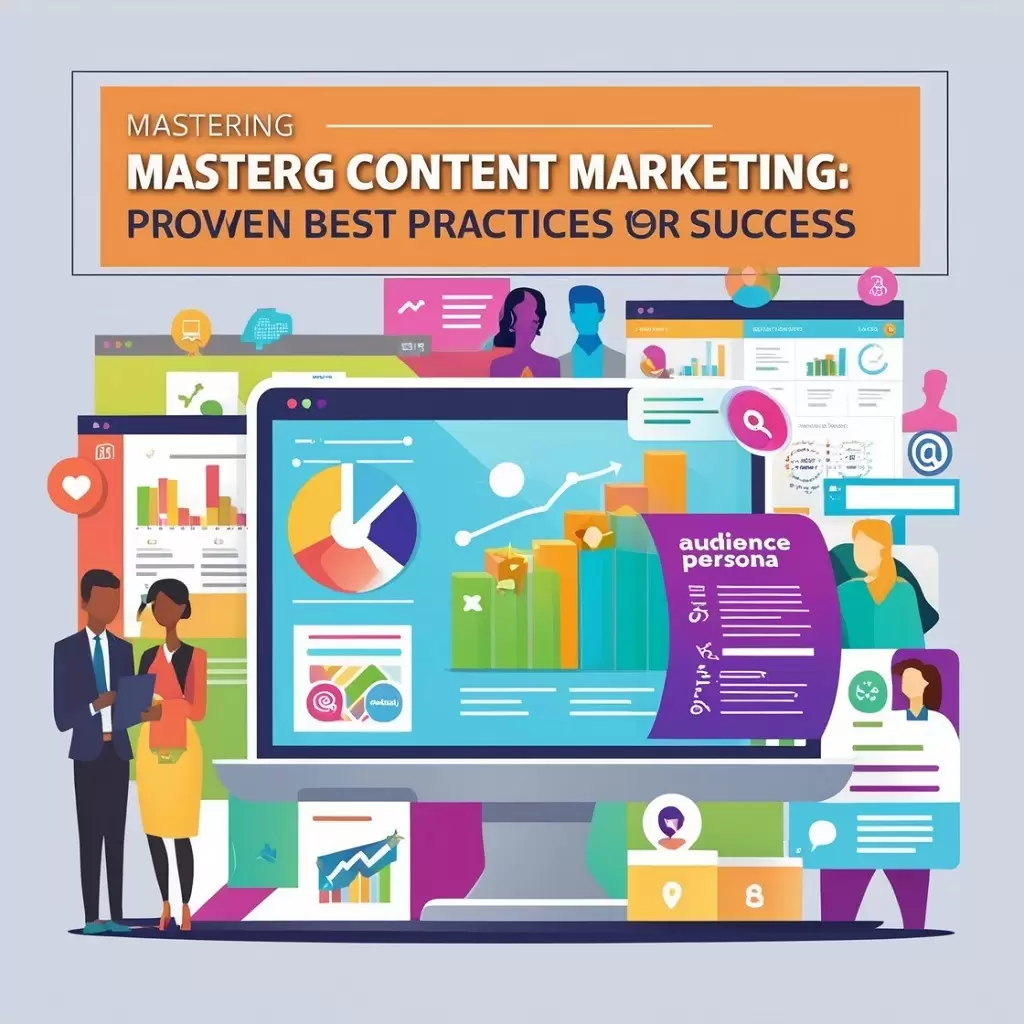
Mastering Content Marketing: Proven Best Practices

In today’s digital landscape, content marketing is a vital strategy for businesses aiming to build their brand, connect with their audience, and drive conversions. Mastering content marketing requires a blend of creativity, strategy, and analytics. Here’s a comprehensive guide on proven best practices to ensure your content marketing efforts are successful.

1. Understand Your Audience

Create Detailed Buyer Personas

Buyer personas are semi-fictional representations of your ideal customers based on market research and real data about your existing customers. Include customer demographics, behavior patterns, motivations, and goals. This helps tailor your content to meet their specific needs and preferences.

Conduct Audience Research

Use surveys, interviews, and analytics tools to gather data about your audience’s interests, pain points, and content consumption habits. Platforms like Google Analytics, social media insights, and customer feedback can provide valuable insights.

2. Develop a Content Strategy

Set Clear Goals

Determine what you want to achieve with your content marketing efforts. Common goals include increasing brand awareness, generating leads, driving website traffic, and boosting engagement. Ensure your goals are specific, measurable, achievable, relevant, and time-bound (SMART).

Plan Your Content Calendar

A content calendar helps organize your content creation and publishing schedule. It ensures a consistent flow of content, aligns with your marketing campaigns, and helps track key dates and events relevant to your audience.

3. Create High-Quality Content

Focus on Value and Relevance

Your content should provide value to your audience by addressing their needs, solving their problems, or entertaining them. Ensure your content is relevant to their interests and aligns with your brand message.

Diversify Content Formats

People consume content in different ways. Mix up your content formats, including blog posts, videos, infographics, podcasts, eBooks, and social media posts. This keeps your audience engaged and caters to different preferences.

Craft Compelling Headlines

Your headlines are the first impression of your content. Make them attention-grabbing, clear, and concise. Use power words, numbers, and questions to pique interest and encourage clicks.

4. Optimize for Search Engines

Conduct Keyword Research

Identify the keywords and phrases your target audience is searching for. Tools like Google Keyword Planner, SEMrush, and Ahrefs can help you find relevant keywords with high search volume and low competition.

Implement On-Page SEO

Optimize your content for search engines by incorporating keywords naturally into your titles, headers, meta descriptions, and throughout the content. Use internal and external links to enhance SEO and provide additional value to your readers.

Focus on Quality and Length

Longer, comprehensive content tends to perform better in search engine rankings. Aim for in-depth articles that thoroughly cover a topic. However, ensure quality is not compromised for length.

5. Promote Your Content

Leverage Social Media

Share your content across your social media platforms to increase visibility and engagement. Tailor your posts to fit each platform’s unique style and audience. Engage with your followers by responding to comments and participating in conversations.

Use Email Marketing

Email marketing is a powerful tool for content distribution. Send newsletters, product updates, and personalized content to your subscribers. Segment your email list to deliver targeted content based on subscriber interests and behavior.

Collaborate with Influencers

Partnering with influencers in your industry can amplify your content’s reach. Choose influencers whose audience aligns with your target market. Collaborations can include guest posts, social media takeovers, and sponsored content.

6. Analyze and Optimize

Track Key Metrics

Use analytics tools to monitor the performance of your content. Key metrics to track include website traffic, engagement rates, social shares, and conversion rates. Understanding what works and what doesn’t helps refine your strategy.

A/B Test Your Content

A/B testing involves creating two versions of a piece of content to see which one performs better. Test different headlines, images, call-to-actions, and content formats to optimize for better results.

Continuously Improve

Content marketing is an ongoing process. Use the data and insights gathered from your analysis to continuously improve your content strategy. Stay updated with industry trends and adapt your approach to meet the changing needs of your audience.

Conclusion

Mastering content marketing requires a strategic approach, creativity, and a commitment to ongoing improvement. By understanding your audience, creating valuable content, optimizing for search engines, and leveraging various promotion channels, you can build a successful content marketing strategy that drives results. Keep analyzing your performance and refining your tactics to stay ahead in the ever-evolving digital landscape.

The Secret to Successful Digital Marketing for Small Businesses!

Outline

  1. Introduction
    • Definition of Digital Marketing
    • Importance for Small Businesses
  2. Understanding Your Audience
    • Identifying Target Market
    • Creating Buyer Personas
  3. Building a Strong Online Presence
    • Importance of a Website
    • SEO Basics for Small Businesses
  4. Social Media Marketing
    • Choosing the Right Platforms
    • Creating Engaging Content
  5. Content Marketing
    • Types of Content
    • Blogging for Business
  6. Email Marketing
    • Building an Email List
    • Crafting Effective Emails
  7. Pay-Per-Click Advertising (PPC)
    • Introduction to PPC
    • Benefits for Small Businesses
  8. Search Engine Optimization (SEO)
    • On-Page SEO
    • Off-Page SEO
  9. Local SEO
    • Importance for Small Businesses
    • Optimizing for Local Search
  10. Analytics and Tracking
    • Importance of Data Analysis
    • Tools for Tracking Performance
  11. Budgeting for Digital Marketing
    • Allocating Resources
    • Cost-Effective Strategies
  12. Utilizing Influencer Marketing
    • Finding the Right Influencers
    • Benefits for Small Businesses
  13. Video Marketing
    • Creating Videos on a Budget
    • Platforms for Video Marketing
  14. Customer Engagement and Retention
    • Building Relationships
    • Loyalty Programs
  15. Conclusion
    • Summary of Key Points
    • Future Trends in Digital Marketing
  16. FAQs

The Secret to Successful Digital Marketing for Small Businesses!

Introduction

Digital marketing is the practice of promoting products or services using digital channels such as search engines, social media, email, and websites. For small businesses, digital marketing is a game-changer. It levels the playing field, allowing them to compete with larger corporations by reaching a broader audience without the need for a huge budget.

Understanding Your Audience

Identifying Target Market

Before you can effectively market your business, you need to know who your audience is. Identifying your target market involves understanding the demographics, interests, and behaviors of your potential customers. This information will guide your marketing efforts, ensuring they are targeted and effective.

Creating Buyer Personas

Once you have a clear understanding of your target market, the next step is to create buyer personas. These are fictional representations of your ideal customers. They help you understand your customers’ needs and preferences, allowing you to tailor your marketing strategies to meet those needs.

Building a Strong Online Presence

Importance of a Website

Your website is often the first point of contact between your business and potential customers. It should be professional, easy to navigate, and mobile-friendly. A well-designed website builds credibility and provides valuable information about your products or services.

SEO Basics for Small Businesses

Search engine optimization (SEO) is crucial for increasing your website’s visibility on search engines like Google. Basic SEO practices include using relevant keywords, creating high-quality content, and ensuring your website is technically sound.

Social Media Marketing

Choosing the Right Platforms

Not all social media platforms are created equal. Depending on your business and target audience, you should choose platforms where your audience is most active. For example, Instagram and Facebook are great for visual content, while LinkedIn is ideal for B2B marketing.

Creating Engaging Content

Social media is all about engagement. Create content that is interesting, informative, and shareable. This can include blog posts, videos, infographics, and interactive polls.

Content Marketing

Types of Content

Content marketing involves creating and sharing valuable content to attract and engage your target audience. This can include blog posts, videos, podcasts, infographics, and eBooks.

Blogging for Business

Blogging is an effective way to improve your website’s SEO and establish your business as an authority in your industry. Regularly publishing high-quality blog posts can drive traffic to your site and generate leads.

Email Marketing

Building an Email List

Email marketing remains one of the most effective digital marketing strategies. Start by building an email list of subscribers who are interested in your products or services. Offer incentives like discounts or exclusive content to encourage sign-ups.

Crafting Effective Emails

Your emails should be engaging and relevant to your audience. Use personalized subject lines, keep the content concise, and include a clear call-to-action.

Pay-Per-Click Advertising (PPC)

Introduction to PPC

PPC advertising allows you to place ads on search engines and other platforms and pay only when someone clicks on your ad. This can drive immediate traffic to your website and generate leads.

Benefits for Small Businesses

PPC is cost-effective and provides measurable results. You can set a budget that suits your business and adjust it based on performance. This makes it an excellent option for small businesses looking to maximize their marketing spend.

Search Engine Optimization (SEO)

On-Page SEO

On-page SEO involves optimizing individual web pages to rank higher in search results. This includes using relevant keywords, optimizing meta tags, and ensuring your content is high-quality and relevant.

Off-Page SEO

Off-page SEO focuses on activities outside your website that can improve its ranking. This includes building backlinks from reputable sites, social media marketing, and online reputation management.

Local SEO

Importance for Small Businesses

Local SEO is essential for small businesses that rely on local customers. It helps your business appear in local search results, making it easier for potential customers in your area to find you.

Optimizing for Local Search

Optimize your website for local search by including your business’s name, address, and phone number (NAP) on your site. Also, claim your business on Google My Business and encourage satisfied customers to leave reviews.

Analytics and Tracking

Importance of Data Analysis

Analyzing your marketing data helps you understand what’s working and what isn’t. This allows you to make informed decisions and adjust your strategies for better results.

Tools for Tracking Performance

There are several tools available for tracking your digital marketing performance. Google Analytics is a popular choice, providing detailed insights into your website’s traffic and user behavior.

Budgeting for Digital Marketing

Allocating Resources

Determine how much you can afford to spend on digital marketing and allocate your resources accordingly. Focus on strategies that provide the best return on investment (ROI).

Cost-Effective Strategies

There are many cost-effective digital marketing strategies available. Content marketing, social media marketing, and email marketing are all affordable options that can yield significant results.

Utilizing Influencer Marketing

Finding the Right Influencers

Influencer marketing involves partnering with individuals who have a large following in your industry. Choose influencers who align with your brand and can reach your target audience.

Benefits for Small Businesses

Influencer marketing can increase your brand’s visibility and credibility. It also allows you to reach a larger audience and generate more leads.

Video Marketing

Creating Videos on a Budget

You don’t need a large budget to create effective video content. Use your smartphone or affordable video equipment to produce high-quality videos that showcase your products or services.

Platforms for Video Marketing

Share your videos on platforms like YouTube, Instagram, and Facebook. These platforms have large user bases and can help you reach a wider audience.

Customer Engagement and Retention

Building Relationships

Building strong relationships with your customers is key to long-term success. Engage with your customers through social media, email, and other channels to build trust and loyalty.

Loyalty Programs

Implementing a loyalty program can encourage repeat business and increase customer retention. Offer rewards for repeat purchases, referrals, and other valuable actions.

Conclusion

Digital marketing offers numerous opportunities for small businesses to grow and succeed. By understanding your audience, building a strong online presence, and utilizing cost-effective strategies, you can reach more customers and achieve your business goals. Stay updated with the latest trends and continuously refine your strategies to stay ahead of the competition.

FAQs

  1. What is the most cost-effective digital marketing strategy for small businesses?
    • Content marketing is often considered the most cost-effective strategy. It allows you to create valuable content that attracts and engages your audience without a significant financial investment.
  2. How can small businesses improve their local SEO?
    • Improve local SEO by including your business’s name, address, and phone number on your website, claiming your Google My Business listing, and encouraging customers to leave reviews.
  3. Why is social media marketing important for small businesses?
    • Social media marketing helps small businesses reach a larger audience, engage with customers, and build brand awareness. It’s also a cost-effective way to promote products and services.
  4. What are the benefits of email marketing for small businesses?
    • Email marketing allows small businesses to communicate directly with their audience, build relationships, and drive sales. It’s also highly measurable, allowing you to track performance and adjust your strategies accordingly.
  5. How can small businesses create effective video content on a budget?
    • Use affordable video equipment or smartphones to create high-quality videos. Focus on producing content that showcases your products or services, and share your videos on platforms like YouTube and social media to reach a wider audience.

Unlock Business Growth by Using Data to Drive Marketing

Outline

  1. Introduction
    • The importance of data in modern marketing
    • Overview of the article
  2. What is Data-Driven Marketing?
    • Definition and key concepts
    • Historical context and evolution
  3. Benefits of Data-Driven Marketing
    • Improved customer targeting
    • Enhanced customer experience
    • Increased ROI
    • Better decision making
  4. Types of Data Used in Marketing
    • Demographic data
    • Behavioral data
    • Transactional data
    • Psychographic data
  5. Sources of Marketing Data
    • First-party data
    • Second-party data
    • Third-party data
  6. Collecting Marketing Data
    • Online surveys and feedback forms
    • Website analytics
    • Social media insights
    • CRM systems
  7. Analyzing Marketing Data
    • Data cleaning and preparation
    • Data analysis techniques
    • Tools for data analysis
  8. Implementing Data-Driven Strategies
    • Creating customer personas
    • Personalizing marketing messages
    • Optimizing marketing channels
  9. Challenges in Data-Driven Marketing
    • Data privacy concerns
    • Managing large datasets
    • Integrating data from multiple sources
  10. Overcoming Data-Driven Marketing Challenges
    • Ensuring data privacy and compliance
    • Using data management platforms
    • Cross-functional collaboration
  11. Case Studies of Successful Data-Driven Marketing
    • Example 1: A successful campaign
    • Example 2: Data-driven product launch
  12. Future Trends in Data-Driven Marketing
    • AI and machine learning in marketing
    • Predictive analytics
    • Real-time data usage
  13. Best Practices for Data-Driven Marketing
    • Continuously updating data
    • Focusing on data quality
    • Measuring and optimizing performance
  14. Tools and Technologies for Data-Driven Marketing
    • Marketing automation platforms
    • Data visualization tools
    • Customer data platforms
  15. Conclusion
    • Recap of key points
    • The ongoing evolution of data-driven marketing
  16. FAQs
    • How does data improve marketing strategies?
    • What types of data are most valuable for marketing?
    • How can small businesses implement data-driven marketing?
    • What are the biggest challenges in data-driven marketing?
    • How is AI changing data-driven marketing?

Using Data to Drive Marketing

Introduction

In the ever-evolving world of marketing, data has become the cornerstone of effective strategy. Gone are the days of relying solely on intuition and guesswork; today, marketers have access to a wealth of data that can drive decisions, tailor messages, and optimize campaigns. This article delves into the concept of data-driven marketing, exploring its benefits, types of data used, sources of data, and the challenges faced. Let’s dive into how you can leverage data to transform your marketing efforts.

What is Data-Driven Marketing?

Data-driven marketing refers to the approach of using data to inform and optimize marketing strategies and decisions. By analyzing data collected from various sources, marketers can gain insights into customer behavior, preferences, and trends, allowing for more precise targeting and personalized messaging. This method has evolved significantly with the advancement of technology and the increasing availability of data.

Benefits of Data-Driven Marketing

Improved Customer Targeting

One of the most significant advantages of data-driven marketing is the ability to target the right audience with the right message. By understanding the demographics, behaviors, and preferences of potential customers, marketers can create more relevant and effective campaigns.

Enhanced Customer Experience

When marketing messages are tailored to individual preferences and needs, customers are more likely to engage and respond positively. This personalized approach enhances the overall customer experience, building stronger relationships and loyalty.

Increased ROI

Data-driven marketing allows for better allocation of resources and budget. By identifying the most effective channels and strategies, marketers can maximize their return on investment (ROI) and reduce wasted spend.

Better Decision Making

With access to accurate and timely data, marketers can make informed decisions quickly. This agility is crucial in a fast-paced market where trends and consumer behaviors can change rapidly.

Types of Data Used in Marketing

Demographic Data

This includes information such as age, gender, income, education level, and location. Demographic data helps in understanding who the customers are.

Behavioral Data

Behavioral data tracks how customers interact with a brand, including their purchasing habits, website visits, and engagement with marketing content.

Transactional Data

Transactional data encompasses the history of purchases and transactions, providing insights into buying patterns and product preferences.

Psychographic Data

Psychographic data goes beyond demographics to understand the attitudes, values, and lifestyles of customers, offering a deeper level of personalization.

Sources of Marketing Data

First-Party Data

First-party data is collected directly from your audience through your own channels, such as website analytics, CRM systems, and direct interactions.

Second-Party Data

Second-party data is another company’s first-party data that is shared or purchased. It offers additional insights that complement your own data.

Third-Party Data

Third-party data is aggregated from various sources by external providers. It helps in broadening the understanding of your market and audience.

Collecting Marketing Data

Online Surveys and Feedback Forms

Surveys and feedback forms are straightforward methods to gather direct insights from customers about their preferences and experiences.

Website Analytics

Tools like Google Analytics provide comprehensive data on website traffic, user behavior, and conversion rates, essential for understanding online interactions.

Social Media Insights

Social media platforms offer valuable data on user engagement, demographics, and interests, helping to shape social media strategies.

CRM Systems

Customer Relationship Management (CRM) systems store and manage customer information, facilitating personalized marketing efforts.

Analyzing Marketing Data

Data Cleaning and Preparation

Before analysis, data must be cleaned and prepared to ensure accuracy. This involves removing duplicates, correcting errors, and standardizing formats.

Data Analysis Techniques

Techniques such as segmentation, regression analysis, and predictive modeling help in extracting meaningful insights from the data.

Tools for Data Analysis

Tools like Tableau, Power BI, and Google Data Studio are popular for visualizing and analyzing marketing data effectively.

Implementing Data-Driven Strategies

Creating Customer Personas

Customer personas are detailed profiles that represent different segments of your audience, guiding targeted marketing efforts.

Personalizing Marketing Messages

Personalization involves tailoring messages to individual customers based on their data, significantly increasing engagement and conversion rates.

Optimizing Marketing Channels

Data helps in identifying the most effective marketing channels, allowing for better allocation of resources and improved campaign performance.

Challenges in Data-Driven Marketing

Data Privacy Concerns

With increasing scrutiny on data privacy, marketers must ensure compliance with regulations like GDPR and CCPA to protect customer information.

Managing Large Datasets

Handling large volumes of data can be overwhelming. Effective data management strategies and tools are essential to manage and analyze this data.

Integrating Data from Multiple Sources

Combining data from various sources can be challenging but is crucial for a comprehensive view of the customer.

Overcoming Data-Driven Marketing Challenges

Ensuring Data Privacy and Compliance

Implementing robust data protection measures and staying updated with regulatory changes is vital for maintaining trust and compliance.

Using Data Management Platforms

Data management platforms (DMPs) help in organizing, managing, and integrating data from multiple sources, streamlining the analysis process.

Cross-Functional Collaboration

Collaboration between different departments ensures that data-driven insights are effectively used across the organization.

Case Studies of Successful Data-Driven Marketing

Example 1: A Successful Campaign

One notable example is a campaign by a retail brand that used customer purchase data to create personalized email marketing, resulting in a 20% increase in sales.

Example 2: Data-Driven Product Launch

A tech company successfully launched a new product by analyzing market trends and customer feedback, leading to a highly targeted and effective launch strategy.

Future Trends in Data-Driven Marketing

AI and Machine Learning in Marketing

AI and machine learning are set to revolutionize marketing by providing deeper insights and automating personalized experiences.

Predictive Analytics

Predictive analytics uses historical data to forecast future trends, helping marketers stay ahead of the curve.

Real-Time Data Usage

Real-time data allows for immediate insights and actions, enabling more dynamic and responsive marketing strategies.

Best Practices for Data-Driven Marketing

Continuously Updating Data

Keeping data up-to-date ensures that marketing strategies remain relevant and effective.

Focusing on Data Quality

High-quality data is essential for accurate analysis and effective decision-making.

Measuring and Optimizing Performance

Regularly measuring the performance of marketing efforts and making data-driven adjustments is key to ongoing success.

Tools and Technologies for Data-Driven Marketing

Marketing Automation Platforms

Platforms like HubSpot and Marketo automate marketing tasks and provide valuable data insights.

Data Visualization Tools

Tools such as Tableau and Power BI help in visualizing complex data, making it easier to understand and act upon.

Customer Data Platforms

Customer Data Platforms (CDPs) consolidate customer data from various sources, providing a unified view of the customer.

Conclusion

Data-driven marketing is not just a trend but a necessity in today’s competitive landscape. By leveraging data, marketers can create more targeted, personalized, and effective campaigns. The ongoing evolution of technology and data analytics promises even greater advancements in the future. Embrace the power of data to drive your marketing success.

Secrets to Crafting Perfect Marketing Emails That Convert

Outline of the Article

  1. Introduction
    • The Power of Marketing Emails
    • Why Crafting the Perfect Email Matters
  2. Understanding Your Audience
    • Identifying Your Target Audience
    • Segmenting Your Email List
  3. Setting Clear Objectives
    • Defining Your Email Marketing Goals
    • Aligning Emails with Business Objectives
  4. Creating Compelling Subject Lines
    • Importance of the Subject Line
    • Tips for Writing Eye-Catching Subject Lines
  5. Personalization in Email Marketing
    • Benefits of Personalized Emails
    • Techniques for Personalizing Your Emails
  6. Crafting the Perfect Email Body
    • Writing Engaging Content
    • Using the Right Tone and Style
  7. Designing Visually Appealing Emails
    • Importance of Email Design
    • Best Practices for Email Layout and Design
  8. Using Strong Calls to Action (CTAs)
    • What Makes a Good CTA
    • Placement and Design of CTAs
  9. Incorporating Visuals and Multimedia
    • Using Images and Videos
    • Balancing Text and Visuals
  10. Testing and Optimizing Your Emails
    • Importance of A/B Testing
    • Key Metrics to Track
  11. Ensuring Deliverability
    • Avoiding Spam Filters
    • Maintaining a Clean Email List
  12. Timing and Frequency of Emails
    • Best Times to Send Emails
    • Finding the Right Frequency
  13. Legal Considerations
    • Understanding GDPR and CAN-SPAM
    • Ensuring Compliance
  14. Measuring Success
    • Key Performance Indicators (KPIs)
    • Analyzing Email Campaign Results
  15. Conclusion
    • Recap of Key Points
    • Final Tips for Crafting Perfect Marketing Emails
  16. FAQs
    • How Often Should I Send Marketing Emails?
    • What Are Some Good Practices for Email Subject Lines?
    • How Can I Improve My Email Open Rates?
    • What Should I Include in a Call to Action?
    • How Do I Ensure My Emails Are GDPR Compliant?

Article

Introduction

In the ever-evolving world of digital marketing, crafting the perfect marketing email can be your golden ticket to success. With the right strategy, emails can drive engagement, foster customer loyalty, and boost sales. But what exactly makes a marketing email perfect? Let’s dive in and explore the art and science behind crafting emails that hit the mark every time.

Understanding Your Audience

Before you even think about typing that first word, you need to know who you’re talking to. Identifying your target audience is crucial. Are they young professionals, stay-at-home parents, or retirees? Each group has different needs and preferences. Segmenting your email list based on these characteristics ensures that your message resonates with each recipient.

Setting Clear Objectives

Without a clear goal, your email campaign is like a ship without a rudder. Are you looking to increase sales, drive website traffic, or promote a new product? Defining your email marketing goals helps you craft messages that align with your business objectives and deliver measurable results.

Creating Compelling Subject Lines

Your subject line is the first thing recipients see, and it can make or break your email’s success. An eye-catching subject line piques curiosity and encourages opens. Aim for concise, intriguing, and relevant subject lines. Use action words and personalize when possible—think “Exclusive Offer Just for You” or “Unlock Your Special Discount Today.”

Personalization in Email Marketing

In today’s market, personalization is key. Emails that address the recipient by name and offer content tailored to their interests perform significantly better. Use data from previous interactions to customize your emails, making each recipient feel valued and understood.

Crafting the Perfect Email Body

Once you’ve hooked them with your subject line, the next step is to keep their interest. Write engaging content that speaks directly to the reader. Use a conversational tone, as if you’re talking to a friend. Keep it simple and clear, breaking up text with bullet points or short paragraphs to make it easy to read.

Designing Visually Appealing Emails

A well-designed email is visually appealing and easy to navigate. Use a clean layout with plenty of white space, and make sure your design aligns with your brand identity. Incorporate your logo, brand colors, and consistent fonts. Visual hierarchy guides the reader’s eye to the most important elements, such as headlines, images, and CTAs.

Using Strong Calls to Action (CTAs)

A call to action is a critical component of your email. It tells the reader what you want them to do next. Use strong, clear CTAs like “Shop Now,” “Learn More,” or “Get Started.” Ensure your CTA stands out by using contrasting colors and placing it in a prominent location within your email.

Incorporating Visuals and Multimedia

Visuals can significantly enhance your email’s effectiveness. High-quality images, infographics, and videos can capture attention and convey your message quickly. However, balance is key—too many visuals can overwhelm the reader and slow down load times.

Testing and Optimizing Your Emails

Never send an email without testing it first. A/B testing, where you send different versions of an email to small segments of your audience, helps you determine what works best. Test subject lines, email content, design elements, and CTAs. Track key metrics like open rates, click-through rates, and conversions to continually optimize your emails.

Ensuring Deliverability

An email that doesn’t reach its recipient is useless. Avoid spam filters by maintaining a clean email list, using reputable email marketing services, and avoiding spammy language. Regularly clean your email list to remove inactive or invalid addresses.

Timing and Frequency of Emails

When and how often you send emails can impact their effectiveness. Research suggests that Tuesdays and Thursdays are the best days to send emails, typically in the late morning or early afternoon. However, this can vary based on your audience. Test different times and frequencies to find what works best for your subscribers.

Legal Considerations

Compliance with email marketing laws like GDPR and CAN-SPAM is not optional. Make sure you have permission to email your subscribers, provide an easy way to unsubscribe, and include your business’s physical address. These steps not only keep you legal but also build trust with your audience.

Measuring Success

To know if your efforts are paying off, you need to measure your success. Key Performance Indicators (KPIs) such as open rates, click-through rates, and conversion rates provide valuable insights. Use these metrics to analyze your email campaign results and make data-driven decisions for future campaigns.

Conclusion

Crafting the perfect marketing email is both an art and a science. By understanding your audience, setting clear objectives, writing compelling content, and continually testing and optimizing, you can create emails that deliver results. Remember, the key to successful email marketing is to keep it personal, relevant, and engaging.

FAQs

How Often Should I Send Marketing Emails? The frequency of your marketing emails depends on your audience and goals. Generally, once a week is a good starting point, but always test and adjust based on your subscribers’ engagement.

What Are Some Good Practices for Email Subject Lines? Keep subject lines short and to the point, use action-oriented language, and personalize when possible. Testing different approaches can also help identify what works best for your audience.

How Can I Improve My Email Open Rates? Improving open rates can be achieved by crafting compelling subject lines, personalizing your emails, and sending them at optimal times. Regularly cleaning your email list to remove inactive subscribers also helps.

What Should I Include in a Call to Action? A good CTA should be clear, concise, and compelling. Use action words and make sure it stands out visually. Placement is key—ensure it’s easy to find without scrolling too much.

How Do I Ensure My Emails Are GDPR Compliant? To ensure GDPR compliance, always obtain explicit consent from your subscribers, provide an easy way to opt out, and protect their data. Include your business’s contact information and adhere to all local privacy laws.

Scroll to Top